



Oversized transport – when is a permit required
We explain when oversized transport requires a permit, what permit categories apply, when escorting is needed and what data should be prepared for pricing.
1. What is abnormal transport
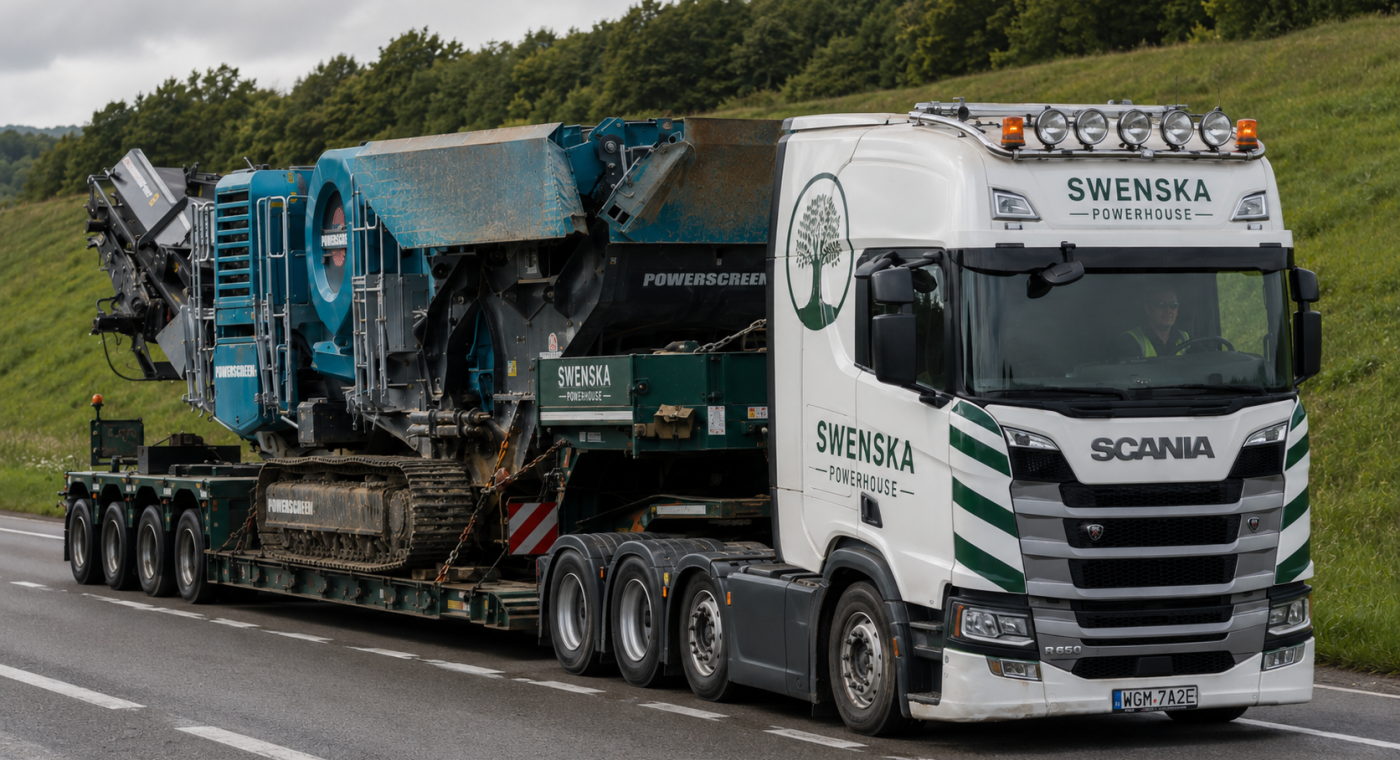
Abnormal transport concerns a vehicle or combination of vehicles whose axle loads, dimensions or actual gross weight exceed the values permitted for standard travel. In practice, this may involve construction machinery, components of production lines, steel structures, tanks, transformers or other heavy loads. In most cases, the threshold for abnormal transport is exceeding the standard parameters of a road combination. Therefore, the first step is not choosing a carrier, but correctly gathering the dimensions, weight and load support points, as well as the data for the transport combination.2. When is a permit required
A permit is required when the combination together with the load exceeds the parameters permitted for ordinary traffic. The scope of the formalities depends on the actual dimensions, weight, axle loads and selected route. We have collected more information in the publication how to obtain a permit for abnormal transport. In practice, it is advisable to begin the procedure only after confirming the technical data. Even a slight difference in height, width or wheelbase can change the travel category, route or requirements concerning escort vehicles.3. What are the permit categories
The permit category depends on the parameters of the vehicle and load, as well as the range of roads on which the journey is to take place. It should not be selected solely on the basis of the type of machine being transported. Two seemingly similar loads may require a different combination and different formalities. The choice of trailer has a direct impact on transport height, the length of the combination and the distribution of axle loads. In a separate resource, we describe types of low-bed trailers and their most common applications.4. When is an escort vehicle required
An escort vehicle may be required when specific thresholds for length, width, height or weight are exceeded. The escort vehicle’s task is to secure the journey, warn other road users and cooperate with the driver when navigating locations with restricted clearance. More demanding transports also require coordination when passing through intersections, roundabouts, bottlenecks and sections with temporary traffic management. The scope of activities is determined based on an analysis of the specific route.5. What data to prepare for a quote and application
Technical data worth confirming
For a reliable quote, at least the exact dimensions and weight of the load, the loading and unloading locations, the expected date, photographs and information concerning loading capabilities are required. In the case of machinery, it is also worth providing the model, technical documentation and information on whether the components can be dismantled. Complete data reduces the risk of subsequent changes to the price and schedule. If you are unsure which information will be needed, contact the Swenska Powerhouse team before beginning the formalities.6. What route planning looks like
Elements of route verification
The shortest route is not always a route that can be used. The load-bearing capacity of structures, vertical and horizontal clearance, turning radii, gradients, weight restrictions, roadworks and the possibility of safely stopping the combination are all taken into account. Depending on the transport parameters, the analysis may require a detour, the temporary removal of signs, lifting cables or arranging the journey with the infrastructure manager. Therefore, the route should be checked before the date is finally confirmed.7. How to reduce the risk of delays and costs
Most problems result from incomplete data, starting the formalities too late or failing to match the combination to the load. Before signing an order, it is worth confirming all parameters, loading conditions, the scope of responsibility and the communication plan between the project participants. A well-prepared abnormal transport operation is a project-based process. It combines technical analysis, formalities, equipment selection, the work of the driver and escort vehicle operators, and ongoing coordination. The earlier these elements are organized, the lower the risk of unplanned costs.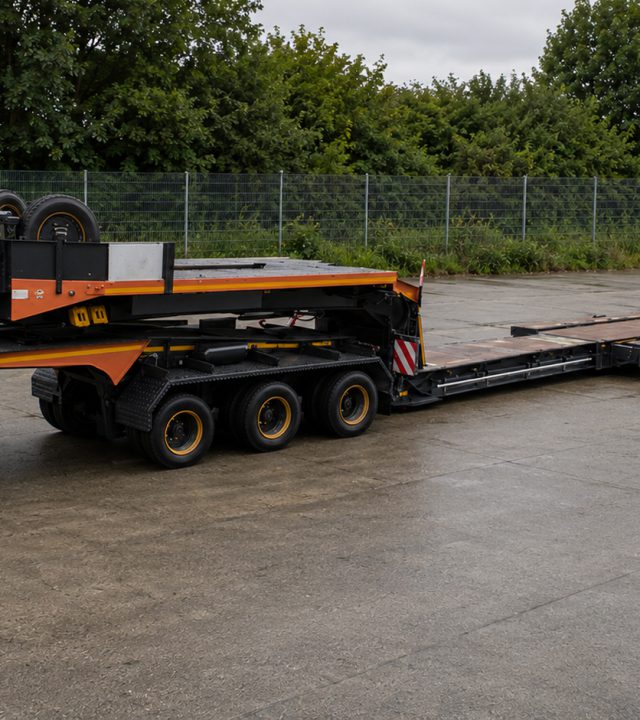
 34 t
 8,3 m
 PL Szczecin → DE Hamburg
Frequently asked questions (FAQ)
When does oversized transport require a permit?
When the vehicle set with the load exceeds the permitted dimensions, gross weight or axle loads for regular road traffic.
Does every oversized shipment require escorting?
No. The obligation to use a pilot vehicle depends on the specific parameters of the vehicle combination and the travel conditions.
How long does it take to obtain a permit?
The timing depends on the permit category, completeness of the data and the required route arrangements.
What information is needed for pricing?
Load dimensions and weight, loading and unloading sites, preferred timing, photos and information about access and operating conditions.
Does SWENSKA organize transport at night and on weekends?
The date and time of transport are agreed individually, taking permits, route restrictions and project availability into account.

Legal notice and disclaimer
Publications available on the SWENSKA POWERHOUSE website, including articles, guides, expert materials, project descriptions and case studies, are general, informational and educational in nature. They do not constitute legal, technical, design or health and safety advice, nor instructions for carrying out a specific transport, relocation, loading, unloading, assembly, dismantling or other logistics project.
Publication content is prepared on the basis of the information and knowledge available at the time of writing. Despite due care, it may contain simplifications, may not take into account every circumstance of a specific case, or may become outdated, in particular as a result of changes in legislation, administrative requirements, technical conditions or organisational circumstances.
Every transport, relocation, machinery delivery, loading, unloading, assembly, dismantling or other logistics project requires an individual analysis taking into account, in particular, the actual parameters and properties of the load, technical documentation, the route, place of execution, required formalities, current regulations, and technical and organisational conditions.
Publication content should not be the sole basis for decisions or actions concerning a specific project. Before using it, the user should verify that it is current and suitable for the particular case and, where required, obtain an appropriate specialist analysis.
Unless expressly stated otherwise, publications do not constitute an offer within the meaning of the applicable provisions of the Polish Civil Code, a commitment to provide a specific service, or any assurance or guarantee that particular parameters, deadlines, costs, permits or results will be achieved. The terms of a specific service are always set out in the relevant documents for that order.
The user uses the information contained in the publications at their own risk. SWENSKA POWERHOUSE is not liable for the consequences of decisions or actions taken solely on the basis of publication content without an analysis appropriate to the specific case, subject to any liability that cannot be excluded or limited under mandatory provisions of law.